
Parcel Pending
Parcel PendingHouse & Home
4.22.18K Reviews
- Version
- 1.35.7
- Installs
- 100.00K
- Age Rating
- Everyone
Screenshots
Our Review of Parcel Pending
 Analysis by Appyee
Receiving a package should be the easy part of online shopping, but apartment deliveries often add a layer of uncertainty: a parcel may be left in an unsafe place, held at the office, or mixed into a crowded collection area. Parcel Pending is designed for the resident side of that problem. It is a free House & Home app from Parcel Pending that helps residents interact with a parcel-locker service rather than manage delivery shopping itself. After using it, I see its value less as an exciting app and more as a practical tool that can quietly remove friction from a routine chore.
That distinction matters. The first week can feel useful because the app gives package collection a more organized digital path, especially for someone who regularly orders items while away from home. The harder question is whether it deserves a permanent place on your phone after the novelty disappears. My answer is mostly yes for residents whose building actively uses the Parcel Pending system, but with an important qualification: its usefulness depends heavily on the delivery setup at your property. It is not a universal package tracker or a replacement for every carrier’s own application.
What the first week feels like
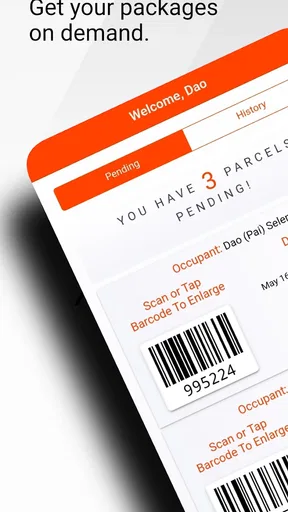
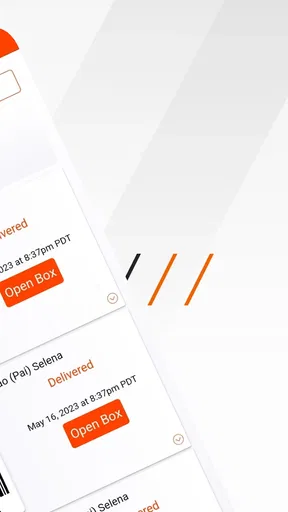
The initial appeal is straightforward. Instead of treating every delivery as a conversation with a leasing office or a search through a shared mailroom, I can use the resident-focused app as part of the collection process. That makes the experience feel more deliberate. The app is not trying to become a general shopping dashboard; its purpose is narrower, and that focus is one of its strengths.
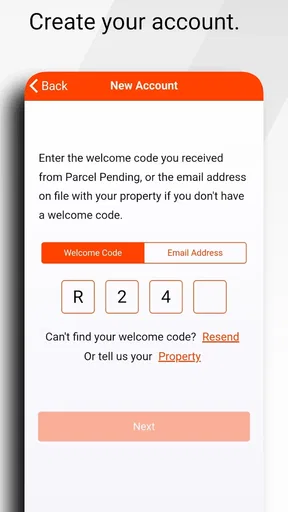
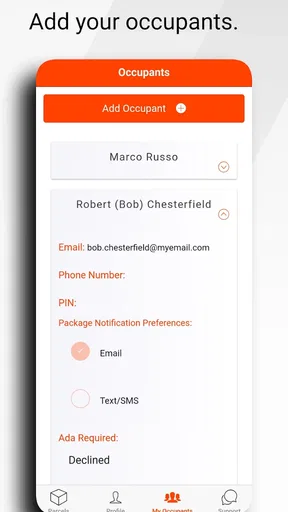
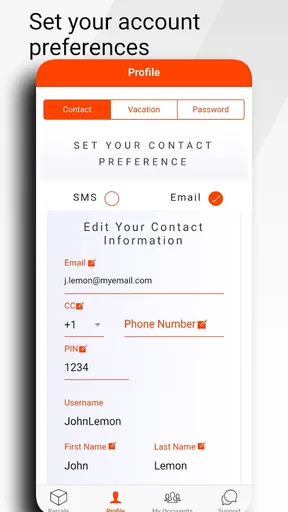
I would recommend starting by making sure the account details and resident information match what your property expects. That small bit of preparation can prevent the most annoying kind of first-use problem: reaching the locker area and discovering that the app is not ready for the delivery workflow. I also found it sensible to keep phone notifications enabled if I rely on the app for timely collection. A parcel tool is most helpful when it tells me something at the right moment, not when I remember to open it several times a day.
A realistic example is a weekday order arriving while I am at work. With a conventional office-based arrangement, I might return home, find the office closed, or have to wait until a convenient time to collect the parcel. With a compatible locker setup, the resident app can make the handoff feel more independent. I can deal with the package around my own schedule instead of treating the office’s opening hours as part of the delivery.
That convenience is especially noticeable for people who work irregular shifts, commute long distances, or receive deliveries when the front desk is busy. It can also help in households where one person orders frequently but another person is usually home. The app gives the process a shared, resident-oriented structure rather than leaving every delivery dependent on a single employee being available.
Still, I would not install it expecting the same experience as a full carrier application. Parcel Pending is tied to the resident parcel environment. It is most useful when the building, locker installation, and delivery process are already aligned with it. If your property does not use Parcel Pending equipment or does not support the resident workflow, the app has little reason to stay installed. That is the first major trade-off: its narrow purpose makes it clearer when it works, but also limits where it works.
Who benefits immediately
The strongest early users are apartment residents who receive several deliveries, miss office hours, or dislike asking staff to locate packages. I can also see value for anyone who wants a cleaner boundary between home life and delivery administration. Instead of checking multiple carrier apps and then contacting a property office, the resident-facing tool can become the place I look when the issue is specifically collection from the building.
It is less compelling for someone who receives only occasional parcels, lives in a house with doorstep delivery, or already has a secure personal delivery arrangement. In those situations, a carrier’s tracking application, email updates, or simple text notifications may be enough. Installing another app adds little if the underlying problem is not package access but delivery timing, address mistakes, or carrier communication.
The practical details before you depend on it
Parcel Pending is free, and its content rating is Everyone, which makes it approachable for a broad range of residents. The app was released on May 7, 2018, and the current version is 1.35.7 with support beginning at Android 4.4. Those details suggest that it is not limited to only the newest phones, although I would still keep the application updated when possible because resident tools need to work reliably around real deliveries.
The app has an average rating of 4.2 from around five thousand ratings, with roughly two thousand two hundred written reviews, and it has passed one hundred thousand installs. I read those figures as signs of an established niche utility rather than proof that it will suit every building. A resident app can be well regarded overall while still feeling disappointing in a property where the local process is poorly explained or inconsistently maintained.
Why it can remain useful month after month
The lasting value comes from repetition. A package app does not need to entertain me or offer a new feature every week. It needs to reduce small points of friction each time a delivery arrives. If it reliably helps me understand that a parcel is ready and collect it without unnecessary office interaction, that is enough to justify its space on my phone.
One useful habit is to treat it as part of the delivery routine rather than as a general-purpose app. When I place an order, I still use the retailer or carrier for shipment details. When the parcel reaches the property’s locker process, I turn to Parcel Pending for the resident-side step. Keeping those roles separate avoids a common frustration: expecting one application to explain every stage from checkout to collection.
This division also makes troubleshooting easier. If a retailer says an item was delivered but the resident app does not reflect the expected locker event, I know the issue may be in the handoff between carrier and property system rather than in the original order. If the app indicates that the parcel is ready but I cannot complete collection, the property’s locker or resident account becomes the more relevant place to investigate. That mental separation saves time and prevents me from repeatedly refreshing the wrong application.
Another practical insight is that the app’s value increases when I collect parcels in batches, provided the property’s process allows it. Rather than making a special trip for every small delivery, I can use the resident workflow to organize my timing around errands or my return home. This is not a dramatic feature, but it changes the app from a notification viewer into a small planning aid. The trade-off is that delaying collection may not suit urgent items, and I should never assume that every property handles storage in exactly the same way.
For frequent online shoppers, that recurring convenience can outweigh the fact that the app does only one job. I would rather have a focused resident tool that is clear about its purpose than a cluttered platform trying to combine shopping, carrier tracking, building announcements, and maintenance requests. Parcel Pending earns its keep when it becomes the predictable final step in a delivery habit.
Where it fits beside the usual alternatives
The usual alternative is to rely on the carrier’s application. That option is better for shipment movement, estimated arrival information, and communication with the delivery company. It is also more useful when I send packages, manage deliveries across different addresses, or live somewhere without a Parcel Pending locker. For those needs, the resident app is not a substitute.
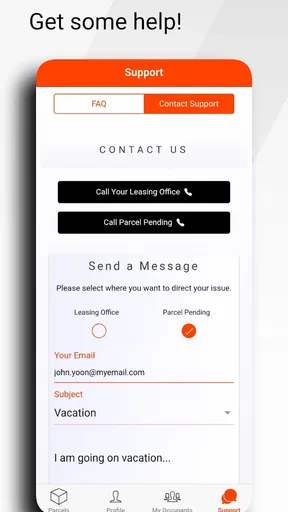
The other alternative is the property office. Speaking with staff can be better when a parcel is damaged, misdelivered, unusually large, or connected to an account problem. Human help is also valuable when the locker area or resident records need local attention. Parcel Pending can reduce routine questions, but it cannot remove the need for property support when the physical system or building procedure is the real source of trouble.
Compared with a shared mailroom, the app-based locker workflow can offer more independence and less searching. Compared with doorstep delivery, it may require an extra collection step. That means the app is not automatically more convenient in every home. Its advantage appears when controlled access and organized storage matter more than having a parcel placed directly at the door.
The maintenance burden is small, but not zero
My main maintenance advice is simple: keep the account usable, keep notifications configured, and do not let the app become an afterthought until the moment a parcel arrives. Resident applications are easy to ignore because they may sit unused between deliveries. That is precisely when a forgotten login, outdated phone setting, or unclear account detail can become inconvenient.
I would also avoid treating the app as the only record of a delivery. Retailer confirmations and carrier tracking still matter, particularly for returns, missing items, and disputes. Parcel Pending belongs in the middle of the process, not at every stage. Saving order confirmations and checking the carrier’s status when something looks unusual gives me a fallback instead of leaving the resident app responsible for information it was not designed to provide.
There is a useful privacy and notification trade-off here. Alerts make the app more valuable because they reduce the need to check manually, but too many delivery notifications can become background noise for people who order frequently. I would keep the alerts that affect collection and silence anything that feels repetitive, where the phone allows that level of control. The goal is to notice actionable information without turning every purchase into another interruption.
Storage and battery demands are usually not the reason someone would remove a tool like this. The more meaningful burden is mental: remembering which app handles which part of the delivery. Once I establish a simple rule—carrier for transit, Parcel Pending for resident collection, property staff for exceptions—the system becomes easier to maintain. Without that rule, I may waste time moving between applications and wondering which status is authoritative.
Small workflow choices that make a difference
First, I would check the resident app before heading to the locker area rather than assuming that a retailer’s “delivered” message means the package is ready for collection. Those events are related but not always identical. This habit prevents unnecessary trips and gives me a clearer idea of whether the delivery has reached the building’s resident process.
Second, I would collect urgent or sensitive parcels promptly and use batching only for ordinary items. The convenience of waiting for a more suitable trip should not override the importance of time-sensitive deliveries. This is a judgment call, not a feature claim, but it is exactly the kind of routine decision that determines whether a package tool remains helpful.
Third, I would use the app as evidence when asking for support. If the resident-side status and the physical locker experience do not match, noting what I see before contacting the property office makes the conversation more specific. Instead of saying only that a package is missing, I can explain whether the carrier marked it delivered, whether the resident workflow showed anything, and what happened at collection. That reduces back-and-forth and helps identify whether the problem is account-related, delivery-related, or local to the locker.
What may cause fatigue over time
The biggest source of fatigue is dependence on a building-specific system. I may enjoy the convenience in one apartment and lose the reason to use the app after moving somewhere else. That makes it unlike a general calendar, notes tool, or carrier application that follows me across homes. Its long-term value is therefore conditional on the property environment, not just on the quality of the software.
Another possible frustration is that an app cannot fix an unclear local process. If residents do not know where lockers are located, how deliveries are handled, or whom to contact when something goes wrong, the digital layer may feel like another step rather than a solution. In my experience, the best resident technology works alongside clear building communication. When that surrounding process is weak, even a well-focused app can feel incomplete.
There is also a difference between convenience and control. The app can make collection more organized, but it does not give me control over when a carrier arrives, whether a parcel is addressed correctly, or how a property handles exceptional items. People who expect a single screen to solve every delivery problem may become disappointed quickly. I would recommend it with realistic expectations: it improves the resident handoff, not the entire logistics chain.
Frequent movers should think carefully before building a habit around it. If I am staying in a property temporarily, the setup effort may not repay itself unless I receive enough deliveries during that period. Conversely, a long-term resident who orders regularly is more likely to notice the cumulative benefit. This is a classic utility-app trade-off: the value is modest per use but meaningful when the same small problem returns again and again.
When another option is better
I would choose a carrier’s app first if my main concern were delivery estimates, route progress, or managing shipments from several retailers and addresses. I would contact the property office first if the issue involved a damaged parcel, a locker malfunction, a questionable delivery, or a resident-account mismatch. I would skip Parcel Pending entirely if my home has no compatible resident locker workflow or if my deliveries already arrive securely without extra coordination.
I would also hesitate to recommend it to someone who dislikes notifications and receives very few packages. The benefit may not justify another account and another place to check. On the other hand, residents who regularly miss office hours or return home to uncertain delivery arrangements are exactly the people most likely to feel the difference after the first few weeks.
Does it earn a lasting place?
After the first-week appeal fades, Parcel Pending becomes a test of repetition rather than excitement. I do not keep it because it is packed with entertainment or because it replaces every delivery service. I keep it when it consistently makes the final step of apartment package collection less awkward. That is a narrow promise, but it is a useful one for the right resident.
The app’s free price helps that decision. There is little financial risk in trying it when a property supports the service, and the Everyone rating makes it suitable for ordinary household use. The real cost is attention: setting it up, remembering its role, and keeping a second delivery channel in mind. For a frequent recipient, that cost is usually reasonable. For an occasional recipient, the benefit may remain too small to notice.
My overall view is positive but deliberately practical. Parcel Pending is not the app I would recommend to every person who buys something online. I would recommend it to an apartment resident whose building uses Parcel Pending and who wants a more dependable way to handle locker-based deliveries. Its strongest feature is not novelty; it is the possibility of turning a repeated source of uncertainty into a routine.
Parcel Pending, developed by Parcel Pending, has the right level of focus for that job. The lasting question is not whether it can replace the carrier, retailer, or property office, because it cannot and should not try. The question is whether it removes enough small interruptions from your month to justify staying installed. If your answer is yes because you collect packages often or outside office hours, I think it earns that space. If your deliveries are rare, your home already has a secure doorstep setup, or your property does not actively support the service, the usual carrier tools and direct building support will probably serve you better.
Verdict
Strengths of Parcel Pending
- Easy package tracking from one centralized dashboard.
- Delivery notifications help users stay informed about incoming parcels.
- Secure locker pickup reduces missed deliveries and porch exposure.
- Useful for apartment communities and managed residential buildings.
- Pickup instructions are generally clear and easy to follow.
Limitations of Parcel Pending
- Availability depends on your property or carrier using Parcel Pending.
- Some features may require locker access at a specific location.
- Notifications can be delayed if delivery data is not updated promptly.
- Locker compartments may be full during busy delivery periods.
- Account and location setup can feel inconvenient for occasional users.
Similar Picks in This Category
View All
Universal TV Remote Control
CodeMatics Media Solutions3.9

AlfredCamera Home Security app
Alfred Systems Inc.4.7

Planner 5D: AI Home Design
Planner 5D4.5

Universal Tv Remote-Cast to TV
One Music Player4.1

Zillow: Homes for Sale & Rent
Zillow Group4.8

99acres Buy/Rent/Sell Property
infoedge.com4.3
Frequently Asked Questions
What is Parcel Pending, and what can I use it for?
Parcel Pending is a package-management service that helps residents receive, store, and collect deliveries through secure smart lockers or a designated package room. After a delivery is registered, the recipient generally receives a notification with collection instructions. The service is especially useful in apartments, student housing, and communities where missed deliveries, unattended parcels, or limited office hours are common concerns.
How do I collect a package from a Parcel Pending locker?
When your parcel is ready, Parcel Pending typically sends a notification by email, text message, or through its mobile application, depending on the property’s setup and your account preferences. The message may include a pickup code or instructions for opening the locker. At the locker, enter or scan the requested information, retrieve the package, and close the compartment securely before leaving.
Does Parcel Pending charge residents a fee for receiving packages?
In many communities, residents can receive and collect standard deliveries through Parcel Pending without paying a fee for each package, because the service is arranged by the property or management company. However, policies can differ between locations. Some properties may apply charges for oversized parcels, long-term storage, special handling, or deliveries that remain uncollected beyond the allowed period.
What happens if I cannot pick up my package immediately?
Parcel Pending lockers are designed to hold deliveries securely for a limited period, but the exact storage time depends on the property’s rules. You should check the notification or contact your leasing office if you expect a delay. Leaving a package too long may result in reminders, relocation to another storage area, additional fees, or eventual return to the sender.
Is Parcel Pending safe, and what should I do if there is a problem with my delivery?
Parcel Pending provides controlled package storage intended to reduce exposure to theft, weather, and accidental collection by another resident. Nevertheless, users should verify that the recipient name, delivery details, and locker information are correct. If a package is missing, damaged, placed in the wrong compartment, or the locker will not open, report the issue promptly through the app, support channel, or property management office.
